




With the onset of spring weather and Daylight Saving Time upcoming, the Department of Wildlife Resources is warning drivers of the increased danger of animals near roadways.
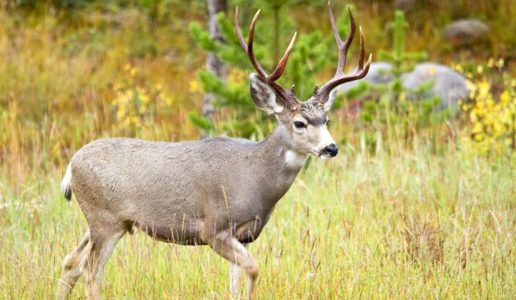
During the winter, there is an increase in wildlife along the roadways, primarily due to big game animals migrating to lower elevations in search of feed, according to Daniel Olson, wildlife migration initiative coordinator for the Utah DWR.
The migration period for deer is typically April and May, and then again in November which, coincidentally, is when the highest number of vehicle and deer collisions occur, according to Olsen.
Olson also says deer are more active early in the morning and in the evenings, which coincides with busy commuting hours. This is also when low-light conditions make it difficult for drivers to see.
How to avoid wildlife collisions
As daylight saving time begins, here are some tips from Wild Aware Utah to help you avoid wildlife collisions:
- Be especially alert at dawn and dusk.
- Heed wildlife crossing signs. These signs are usually placed in areas known to have a high volume of wildlife/vehicle collisions.
- Be alert on roadways near wooded, agricultural and wetland areas and also near lakes and streams.
- Scan both sides of the road. Invite passengers to help watch for wildlife.
- Do not drive distracted. Put away food, phones and other distractions.
- When possible, use high beam headlights to illuminate the road.
- Look for an animal’s eyeshine, which can be seen from a distance. Slow down once you have spotted an animal near the roadside.
- Some animals travel in groups, so be sure to watch for additional animals if you see one.
- Do not throw trash out of your vehicle. Trash and food scraps can draw animals to roadways.
What to do if you see an animal near or in the road
If you see an animal near the road, here are some additional suggestions:
- Do not swerve for a deer or small animal. Stay in your lane and slow down.
- If several animals are standing in the road, do not try to drive through them or get out of the vehicle to chase or herd them. Honk your horn and flash your lights to encourage them to move on.
- If an animal has crossed the road, continue to drive slowly and be cautious because it may try to cross again.
What to do if you hit an animal
- Pull off the road and use your hazard lights if your car is undriveable.
- Do not try to approach an injured animal.
- Call 911 or contact your local police department if you were injured or if the animal is in the roadway and could pose a threat to public safety.